
How to use this area shortlist
The five areas provide different trip settings to consider when planning accessible caravan holidays in the UK. Use the shortlist to compare the kinds of places and activities that may suit your plans, rather than as a directory of approved accommodation. A familiar destination name cannot confirm step-free access, an adapted bathroom or a suitable route to local amenities. Treat the information as independent planning guidance, not as an offer from a caravan seller or booking provider. Before booking, match the setting you prefer with access details for the exact accommodation and site.
Use areas as a starting point
Each area is a starting point for comparing trip settings, not a ranking of caravan parks or a list of accommodation units whose access has been verified. A coastal break, a stay near waterways or a countryside base can involve different routes, activities and day-to-day travel, so consider which setting best fits your plans.
Destination names alone do not establish whether a particular holiday home is accessible. Two caravans in the same park may have different entrances, layouts and facilities, while the approach from parking or reception may also vary. Use the area shortlist to decide where to look, then assess the exact unit and its site. The comparison is independent information for planning; it does not represent a provider, booking service or endorsement of individual accommodation.
Check the individual unit
Access can differ between units at the same park, so ask about the specific caravan and the route you will use.
- Entrance: Confirm step-free access, ramp details, door width and whether the approach has a threshold or uneven surface.
- Internal layout: Ask for doorway widths, turning space in key rooms and details of widened doorways or ramp access where needed.
- Bathroom: Check shower entry, available transfer space, grab rails and whether the toilet and washbasin suit your requirements.
- Parking: Find out whether a space is reserved near the holiday home, how far it is from the entrance and what surface connects them.
- Paths: Ask about the route between the unit, reception and amenities, including gradients, surface type, steps and level access.
Request measurements, photographs or a written description for your travel dates; general park information may not describe the individual unit.
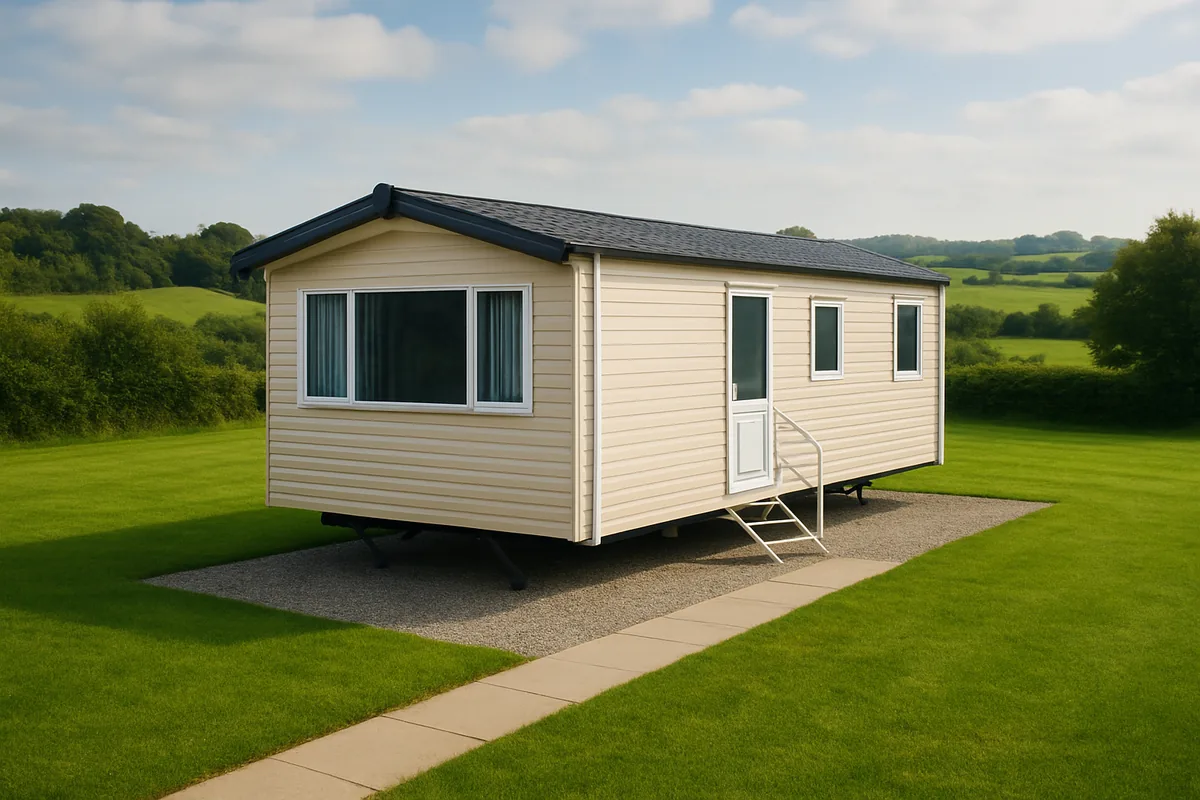
Lake District, Northumberland, Norfolk Broads, Yorkshire Dales and Cornwall
These five regions offer distinct settings for accessible caravan holidays in the UK, from lakes and upland valleys to coast and waterways. Landscape affects more than the view: journey distances, gradients and the type of outing can differ within a single region. The comparison below is a starting point, not a guarantee that a particular caravan or route will meet your needs. Check access details for the exact accommodation and the places you plan to visit.
Area settings at a glance
Use these broad contrasts to identify which trip setting suits your plans; local routes and accommodation can vary considerably within each area.
| Area | Broad landscape | Trip-planning context | Verify for the unit and route |
|---|---|---|---|
| Lake District | Lakes, wooded shores and surrounding fells create a varied upland setting. | Consider how far you will travel between the accommodation, lakeside stops and other planned outings. | Check the approach surface and gradient, step-free access to the caravan, and the route from parking to its entrance. |
| Northumberland | A mix of open coastline, countryside and inland historic sites. | Plan around the distance between coastal visits, villages and inland attractions rather than assuming they are close together. | Ask about the unit’s entrance, doorway widths and parking position; confirm the surface and gradients at planned stops. |
| Norfolk Broads | Low-lying waterways, wetlands and settlements beside rivers and broads. | Trips may combine waterside time with visits to villages or coastal locations; check access arrangements for each activity. | Confirm the path surface and level changes between the caravan, parking and amenities, plus access at any planned waterside activity. |
| Yorkshire Dales | Rural valleys, upland scenery and villages set among rolling hills. | Check driving times and routes between valley locations, as the area covers a wide rural landscape. | Ask about the caravan approach, entrance threshold and nearby parking, then check gradients and surfaces at planned destinations. |
| Cornwall | A varied coastal region with beaches, cliffs, towns and inland countryside. | Choose outings with travel between the accommodation and coast in mind; access can differ between beaches and attractions. | Confirm step-free access and parking for the unit, and check beach or attraction routes for slopes, surfaces and distance. |
A regional description cannot confirm wheelchair access to a specific caravan, amenity or attraction. Compare the details of your chosen unit and planned routes before booking.
Lake District
The Lake District offers a distinct setting for a caravan-based break in north-west England. Its landscape combines lakes, valleys, fells and small settlements, with travel shaped by the distances and routes between them. The area can be considered when comparing accessible caravan holidays in the UK, but the surrounding landscape does not determine the access provided by a particular holiday home. Check the accommodation and its immediate approach against the needs of everyone travelling.
Landscape and trip setting
The Lake District, in Cumbria, is known for a landscape of lakes, steep-sided valleys and fells. Windermere, Ullswater and Derwentwater are among its best-known lakes, while towns and villages sit within or between the surrounding valleys. A caravan-based trip here can provide a base for visiting lakeside settlements, viewpoints and local attractions, with the choice of outings shaped by where the accommodation is located.
Distances on a map may not reflect journey times: roads follow the contours of the landscape and can wind through valleys or across higher ground. That can make the location of a caravan important when planning days out, shopping stops and return journeys. Consider which places you want to visit and how often you are comfortable travelling between them, rather than treating the Lake District as one compact destination. The landscape varies from one area to another, so identify the specific locality that fits your planned activities and preferred pace.
Check the unit and approach
For wheelchair accessible caravans in the UK, the description of a park or area is not enough to establish whether a particular holiday home will work for you. Ask about the exact unit and check its entrance, internal layout, bathroom, kitchen and any steps or thresholds against your requirements. If you need step-free access, confirm how it is achieved and whether a ramp is provided, along with its position and gradient. Doorway widths, turning space and bathroom dimensions can matter as much as the advertised label.
Check the full approach from the parking space to the door and from the unit to any nearby facilities you expect to use. Where known, request distances, route surfaces and gradients; a short route can still be difficult if it is steep, uneven or loose. Ask whether the route changes in wet weather and whether there are kerbs, gates or other obstacles. Written measurements and current photographs can help you compare the details with your mobility equipment and travelling companions’ needs.
Northumberland
Northumberland offers a mix of coastal, rural and market-town settings for a caravan break in north-east England. The A1 provides a main north–south route, while journeys to inland locations use smaller roads. Coast, town and countryside stops can be spread across a wide area, so the location of a caravan matters to daily plans. Suitability depends on the specific accommodation, approach and places you intend to visit.
Plan the trip setting
Northumberland suits travellers who want to combine coastal scenery, historic towns and countryside, but its attractions are not clustered in one compact area. Alnwick can work as a base for visits to the coast; Bamburgh is roughly 20 miles away by road, while Berwick-upon-Tweed is around 35 miles north of Alnwick. These are approximate driving distances, and the route and journey time depend on the starting point and traffic. Map each planned stop from the caravan rather than estimating travel from the county name. The A1 is useful for north–south journeys, but reaching smaller coastal villages or inland destinations may involve narrower local roads. If your itinerary includes both the coast and a place such as Kielder, allow for a substantial cross-county drive rather than treating them as neighbouring stops. Group nearby visits on the same day, and check parking locations and drop-off points before setting out.
Confirm unit and route details
Ask the park for details of the exact caravan, not only a general description of its facilities. Confirm whether the entrance is step-free, whether a ramp is provided, and the threshold height at the door. Request the clear width of doorways and the usable space beside beds and in the living area, so you can judge whether a wheelchair or mobility aid can move and turn through the layout. For a wheelchair-accessible caravan, also establish how the bathroom is arranged and whether the shower has level entry. Check the whole route from accessible parking to the entrance, including surface material, gradients, kerbs and any gates. Gravel, grass and sloping paths can make a short approach difficult to use; ask for the route length and, where possible, measured gradients. Confirm distances to reception, dining areas or other planned facilities, and whether the path remains level between them. A park map may show locations, but request practical route descriptions for your travel dates.
Norfolk Broads
The Norfolk Broads is a waterside area to compare by the places you plan to visit, not just by the name of a holiday park. Rivers, broads, villages and nature reserves shape the setting, while distances between destinations can affect each day’s plans. For accessible caravan holidays UK travellers should consider how the accommodation location fits their chosen outings. Check the routes and practical access details for each planned destination.
Setting and trip planning
The Norfolk Broads is a low-lying landscape of rivers, broads, marshes and settlements, with the water shaping the character of many visits. Holiday bases may suit different plans depending on whether you want to spend time near a particular town or village, visit nature reserves, or include outings on the waterways. These settings are not interchangeable: check where the accommodation sits in relation to the places you intend to visit.
When comparing accessible caravan accommodation, map the planned destinations from each possible base and consider the journey between them, rather than relying on a broad regional label. A trip focused on one area may involve a different pattern of travel from one that includes several villages or attractions. Check routes, transport options and journey times for your dates, then weigh those against the locations and activities on your itinerary. This gives a more useful comparison than choosing by scenery alone.
Questions about paths and activities
Ask specific questions about the routes you expect to use, from the accommodation entrance to parking and onward to planned activities. These details can vary by unit, path and destination.
- What surface connects parking with the accommodation: paving, compact gravel, grass or another material, and does it change along the route?
- Are there gradients, cambered sections or narrow turns on the route, and can staff describe their location and length?
- Where are the step-free transitions between parking, the accommodation and shared paths, and are there thresholds, kerbs or gates?
- How far is the parking space from the unit entrance, measured along the route rather than as a straight-line distance?
- For each planned activity, what is the route from drop-off or parking to the entrance, including surfaces, slopes and any steps?
Ask for route descriptions or photographs where available, and confirm that they relate to the exact accommodation and destination you plan to use. For boat outings or nature visits, check access arrangements directly with the relevant operator or venue.
Yorkshire Dales
The Yorkshire Dales is an area to consider for accessible caravan holidays in the UK, with trips shaped by the contrast between settled valleys and open upland country. Villages, market towns and visitor attractions are spread across a wide rural landscape, so the location of a caravan can affect how much time a day out takes. A valley setting and a moorland setting may involve very different approaches, even when both are within the Dales. Assess the places you want to visit alongside the accommodation rather than assuming the area, or a park, will suit every visitor.
Area and terrain context
The Yorkshire Dales National Park includes limestone country, broad valleys and higher moorland, creating varied settings for a caravan trip. Skipton and Settle are useful reference points in the south, while Hawes and Reeth sit among more northerly dale landscapes. These places offer different starting points for visiting villages, heritage sites and countryside attractions; the best base depends on which stops matter to you and how often you plan to travel between them.
Look at the area around each potential base on a map before choosing dates. A park near a town may make some services or planned visits easier to reach, while a more remote location may mean longer drives between stops. The Dales’ mix of valleys and uplands also means that journeys between nearby-looking places can take longer than a straight-line distance suggests. For accessible holiday parks in England, compare the trip setting with your priorities rather than treating the region as uniformly easy or difficult to visit.
Assess locations and routes
Assess the exact route from the caravan to the car park, reception and any facilities you expect to use. Ask the park about surface type, changes in level, gradients, crossfalls and the distance between points; a short route over loose gravel or a steep section can present different demands from a longer, firm and level path. Check the approach to planned attractions separately, since a convenient location does not establish that their paths or entrances meet your needs.
Compare those details with your mobility aid, stamina and preferred pace, and request measurements or recent photographs where descriptions such as “easy access” are unclear. Inside the unit, check step-free access, doorway widths, turning space, threshold heights and the positions of beds and furniture. For wheelchair accessible caravans in the UK, bathroom layout, shower access and clear floor space can matter as much as the entrance ramp. A simple floor plan and measured route distances make it easier to judge whether the accommodation and daily movements fit your individual requirements.
Cornwall
Cornwall is a UK holiday area to compare for a caravan stay, with coastal and inland settings that can shape the pace and logistics of a trip. Its long peninsula means the location of a park matters when activities are spread across different parts of the county. For accessible caravan holidays in the UK, consider the planned outings alongside the accommodation rather than choosing by scenery alone. Access can vary between individual units and destinations, so check the details that matter for your trip.
Plan around the area
Cornwall offers a mix of coastal, harbour, rural and inland settings, making it useful to compare different trip styles before choosing a caravan base. A park near the places you most want to visit may reduce repeated cross-county journeys; an inland location may suit a different set of planned outings. Look at the actual positions of the accommodation and activities on a map, rather than assuming that two places described as coastal are close together.
List the main activities first, such as visiting a beach, visiting a garden or spending time in a harbour town, then group nearby stops into day plans. Check journey times for the dates and times you expect to travel, allowing for seasonal traffic and the possibility that a short distance on the map may take longer on local roads. If an outing depends on a particular venue or beach, confirm its own access information and transport arrangements before booking. This helps you compare accessible caravan holidays in Cornwall by how well each location fits your intended itinerary, not just its setting.
Check accommodation and activity routes
Ask about the exact caravan you would occupy, not only the park’s general facilities. Confirm the entrance threshold, whether step-free access is provided, the doorway and internal layout, and whether there is enough clear space to move between the bedroom, bathroom and living area. For wheelchair-accessible caravans in the UK, details such as bathroom configuration, shower access, bed height and kitchen reach can affect whether the unit suits your needs; request measurements or current photographs where descriptions are unclear.
Check the route from parking to the unit and from the accommodation to any facilities you expect to use. Ask what the surface is made of, whether it changes along the way, and where slopes, kerbs or steps occur. For planned activities, check the whole journey between stops, including parking or drop-off points and the route from there to the entrance or viewing area. A route that appears manageable on a map may include loose gravel or a steep section, so confirm the specific approach with the park or venue before relying on it.
Compare the areas against your needs
The five areas offer different trip settings, but a useful choice depends on what you need to do and how you travel. Compare the journey, planned outings and physical demands alongside the accommodation information, rather than treating a destination label as an access guarantee. For accessible caravan holidays in the UK, units at the same park can have different layouts and features. Use your comparison to identify which details matter most before booking.
Compare journey, activities and access
Use the same questions for each area so the comparison reflects your routine, equipment and preferred pace. An accessible caravan holiday checklist can help keep your priorities clear.
- Compare door-to-door journey time, not mileage alone; include likely rest stops, ferry crossings or seasonal traffic, and consider how the trip affects your first day.
- List the activities you most want to do, then check whether beaches, local attractions or boat trips have access information relevant to your mobility needs.
- Consider the terrain involved in each outing, including gradients, uneven surfaces and distances from parking; match those demands to your chair, scooter or walking range.
- Compare the accommodation details that affect daily use, such as step-free access, ramp access, doorway widths, bathroom layout and space to move with your equipment.
- Check whether an adapted kitchen, accessible parking near the holiday home or a particular shower arrangement matters to your usual routine.
- Separate unit features from park facilities: accessible toilets, paths or leisure amenities may help, but do not establish access inside the caravan.
Give the greatest weight to factors that could prevent a planned activity or make the accommodation difficult to use. This makes comparisons between areas more personal than a general label such as wheelchair accessible caravans in the UK.
Confirm the exact unit and dates
Before booking, confirm the accommodation details for the exact unit and dates you intend to use. A park’s access information describes the site or its general facilities; it does not establish that a particular caravan has step-free entry, a suitable bathroom or the layout you need. Listings can cover several units with different features, and availability changes by date. Ask the park or provider to verify the unit number and the relevant access details for your stay, preferably in writing, so the information matches the accommodation actually reserved.
Confirm access details for the exact accommodation unit and dates
A park’s name or general description cannot confirm that a particular caravan will meet your access needs. Ask about the booked unit, its current layout and the dates you plan to stay. Details can differ between caravans on the same site, and access routes may change after maintenance or seasonal work. Keep written answers with your booking information so you can resolve any mismatch before travelling.
Verify practical details before travel
Contact the park with your booking reference and travel dates, and ask for measurements or current photographs of the specific caravan. For wheelchair accessible caravans in the UK, a broad label is less useful than details you can compare with your own equipment.
- At the entrance, confirm the clear doorway width, threshold height, number of steps and whether a ramp is fitted; ask for ramp length and gradient if relevant.
- Request an internal floor plan or measurements for doorways, corridor pinch points and turning spaces, including the route between the entrance, living area and bedroom.
- Ask how the bathroom is arranged: doorway width, shower entry, available transfer space, grab rails, shower seat and whether the toilet and basin are positioned as shown.
- Confirm whether parking is reserved for your unit, its distance from the entrance, and the surface between the vehicle and caravan, including slope or loose gravel.
- Check the route from the caravan to reception and amenities: surface type, gradients, kerbs, gates and any temporary works expected during your dates.
Record the staff member’s answers and the date they were confirmed; request updated details if photographs or measurements are old. For accessible caravan accommodation, verify any changes to furniture, equipment or the approach before departure, rather than relying on a previous guest’s stay or a park-wide description.