

Accessible holidays in the UK
A practical guide to accessible holidays in the UK, with stay types, transport choices, walk ideas and planning checks for people with mobility needs.
Accessible UK holidays
Accessible holidays in the UK at a glance
Accessible stays
Compare accessible accommodation types in the UK, from caravans to cottages and lodges, with practical checks for entrances, bathrooms and room layouts.
Read guide →
Getting around
Compare wheelchair-accessible taxis, vehicle hire and WAV layouts, — including a look at Drop the Boss Casino online — with practical questions about boarding, passenger space and travel arrangements.
Read guide →
Accessible walks
Five UK places to investigate for wheelchair-accessible walks, with route-planning checks for surfaces, gradients, distance, facilities and current access.
Read guide →
Accessible holidays in the UK at a glance
An accessible UK holiday involves more than choosing a destination: accommodation, journeys between places and visits on arrival all shape the experience. This guide brings together stay options, transport, outdoor routes and practical planning. It covers trips ranging from a weekend city break to a longer coastal holiday. The topics follow the stages of a trip, from choosing a base to getting home.
What the guide covers
The guide follows the main stages of a trip, beginning with a place to stay and the access features that may matter in a room or shared areas. It covers hotels, cottages, caravans and lodges, so you can compare different types of accommodation without assuming that one format suits everyone. Transport coverage includes public transport, taxis and adapted vehicles, while outdoor topics consider walks, beaches, attractions and cruises. Planning guidance helps turn mobility requirements into questions about particular bookings and services. These subjects connect because access at one stage affects the next: a suitable room is of limited use if the arrival journey or route to a planned visit does not work. Use the topics in journey order, from choosing a base to arranging travel and selecting activities.
Accessibility depends on the details
An accessibility label is a useful clue, but it cannot show whether a particular stay or outing will work for you. People who use wheelchairs, walking aids or need space for a companion may have different requirements; even two wheelchair users can need different room layouts or transfer arrangements. At a property, a label may not describe the entrance threshold, turning space beside the bed or shower controls. On a route, surface, gradient, distance and resting points affect usability, while a transport service depends on its vehicle and boarding arrangements. Details can also vary between rooms in one hotel or between routes at the same attraction. Suitability is a match between your needs and the actual property, route or service—not just the wording of its access label. Specific descriptions give a firmer basis for deciding.
Choosing an accessible place to stay
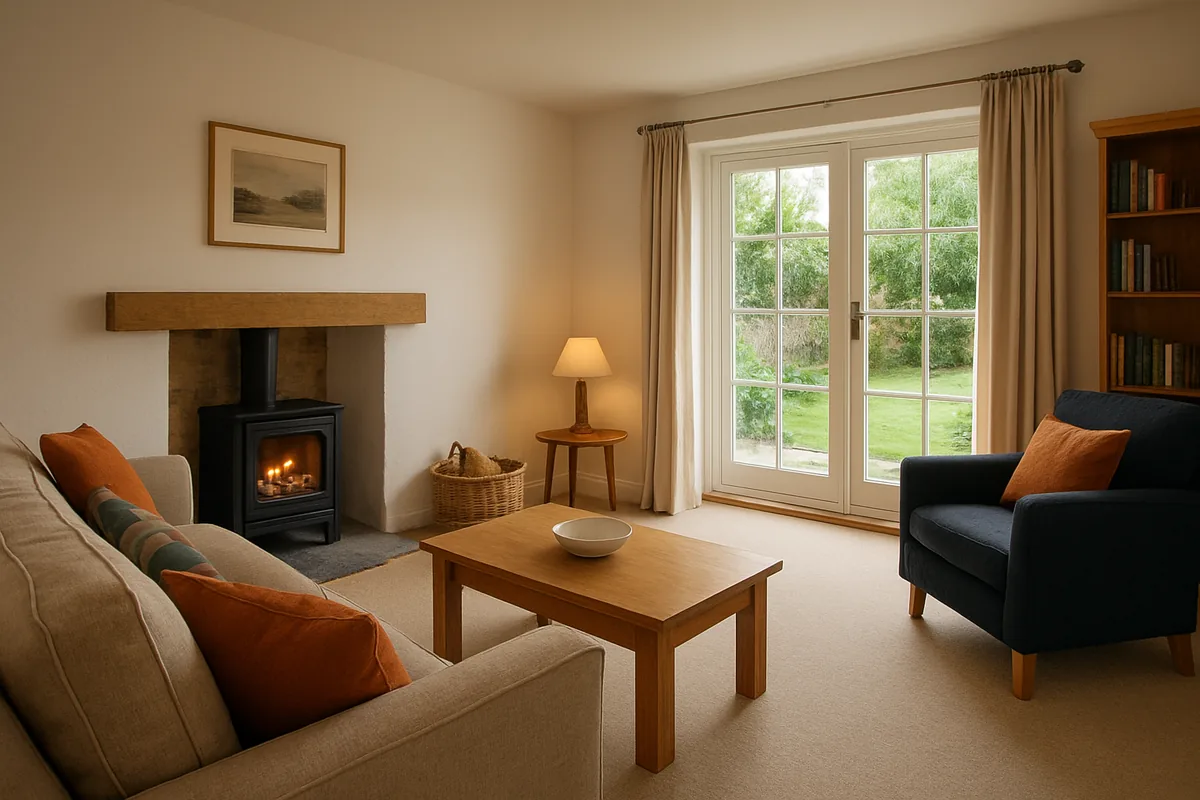
Choosing accessible accommodation in the UK starts with the layout and facilities you need, rather than a property label. Caravan stays, cottages and lodges can differ significantly, even within the same accommodation type. Compare the information provided with your mobility equipment, transfer needs and preferred room arrangement. The accessible stays guide, caravan page and cottage page offer further detail on these options.
Compare accommodation types
Each format raises different questions about layout and access. Use the comparison to identify which details matter for your stay.
| Type | Layout questions | Access information to verify | Practical requirements it may suit |
|---|---|---|---|
| Caravan | Are the bedroom, bathroom and living area arranged to allow movement with your mobility equipment? | Ask about the route from parking, entrance steps or ramp, doorway widths, bathroom fittings and any raised thresholds. | A stay where a compact, fixed layout works for your equipment and the space needed to move between rooms. |
| Cottage | Are the rooms you need on one level, and are the bedroom and bathroom close enough for your routine? | Check the entrance, any internal steps, floor levels, doorways, bathroom arrangement and route between rooms. | A stay where the room arrangement and facilities suit your party, including any need for separate living or sleeping areas. |
| Lodge | Is the sleeping and living layout usable, and does any deck or veranda affect the entrance? | Confirm the route from parking, steps or ramp at the entrance, thresholds, bathroom access and usable internal space. | A stay where the specific lodge layout provides the facilities and circulation space your visit requires. |
Treat each row as a prompt, not a guarantee: features vary between individual units. The caravan and cottage pages provide more focused questions for those accommodation types.
Check the access information
Compare each stated feature with your own requirements: a description such as “accessible” does not show whether the entrance, rooms or bathroom will work for you. Check the whole route from the drop-off or parking point to the property, including steps, slopes, thresholds and the surface underfoot. Inside, look for usable space around beds and furniture, the route between rooms, and bathroom arrangements such as a roll-in shower, grab rails or transfer space. Ask for measurements, a floor plan or current photographs when these details are missing. Note which features are confirmed and which remain unclear before deciding whether the property meets your needs.
Accessible caravan holidays
Caravan holidays can offer a self-catering base, but access depends on the particular unit and its setting. A shortlist is most useful when it compares features that affect your day-to-day use, rather than relying on a broad accessibility label. Check the caravan as well as the route from parking and the facilities you expect to use. Details confirmed for the exact unit and location make comparisons more practical.
Caravan access varies by unit
Build a caravan holiday shortlist around the accommodation you would actually use, not just the destination or the site’s general description. Two caravans on the same site may have different entrances, room layouts and bathroom fittings; units described in similar terms can also differ.
Site-wide access information does not necessarily describe an individual caravan. A level route to reception, for example, cannot confirm whether the unit entrance is step-free. Likewise, accessible facilities elsewhere on a site do not establish what is provided inside the caravan.
Compare each candidate by its specific features and location. Record which unit the information refers to, and ask whether photographs or measurements show the current layout. If a caravan is changed or allocated after booking, check that the replacement has the features you need. This approach helps you distinguish between a wheelchair-friendly holiday destination and a unit that fits your requirements.
Details to check before a stay
Ask for details about the exact caravan and its pitch, rather than relying on a general description. These checks help establish whether the route and facilities suit your needs.
- Ask where accessible parking is in relation to the caravan, and whether the route between them is firm, level and free from obstacles.
- Confirm how the entrance is reached, including any steps, threshold height, ramp availability and the clear width of the doorway.
- Request the internal layout, including doorway widths, turning space, furniture positions and whether there is room to move beside the bed.
- Check the bathroom arrangement: shower entry, available transfer space, toilet position, grab rails and whether the shower is roll-in.
- Ask about the pitch location and route to shared facilities, including surface changes, slopes, distance and any gates along the way.
Where a measurement matters, ask for the figure rather than a description such as “wide” or “level”. Confirm that the details apply to your allocated caravan and pitch.
Wheelchair-accessible cottages and lodges
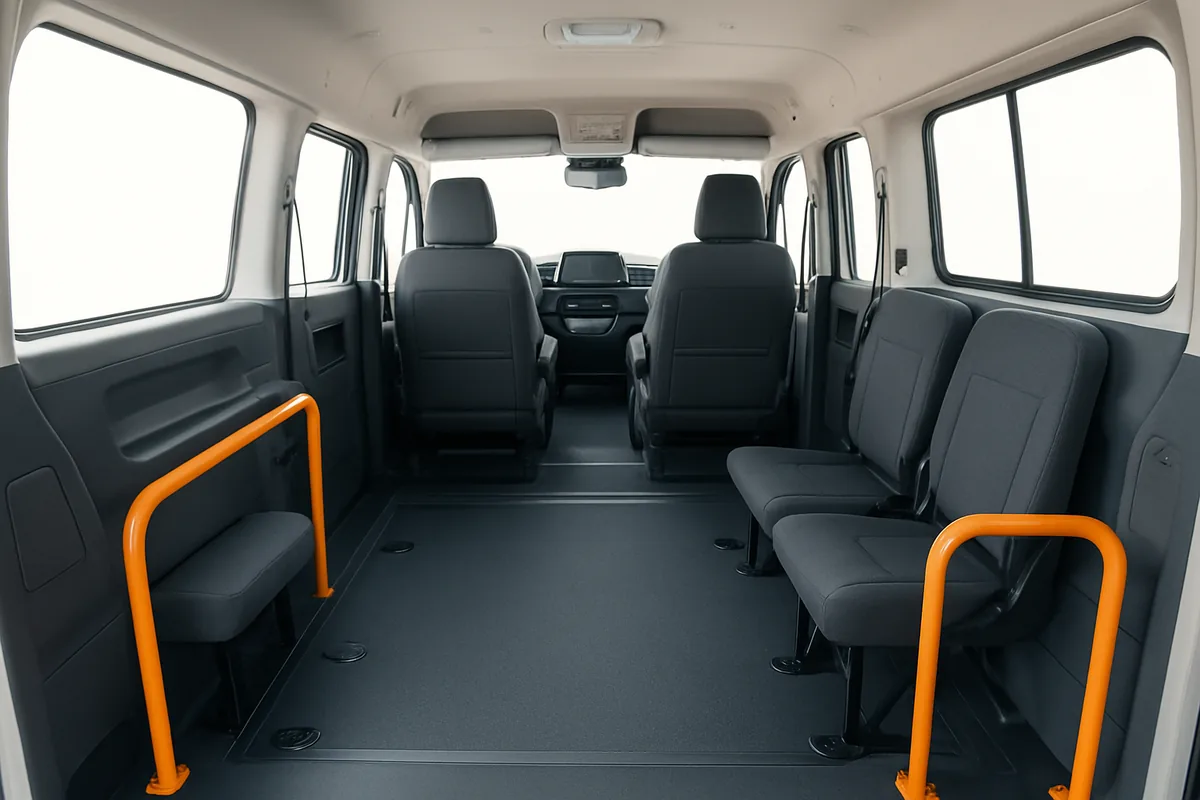
A cottage or lodge can offer more privacy and room to arrange a stay, but access features vary between properties. A wheelchair-accessible label alone cannot show whether the space suits your chair or how you move around. Compare the stated features with your own requirements, then ask for specific measurements and arrangements. The route into the property and the layout inside both matter.
Match the property to your needs
Start with the wheelchair you use and the tasks you need to manage independently, such as entering the property, reaching the bed and using the kitchen. Note whether you need space for a companion, a second wheelchair, a hoist or other mobility equipment. Requirements can differ even between people using similar chairs.
Read the listing for named features, such as step-free access, adapted rooms with roll-in showers or an accessible kitchen. Treat these as points to verify, not proof that the cottage will suit you. Ask the owner which rooms have these features, whether they are available for your dates, and whether furniture or equipment can be moved.
Request measurements for relevant doorways, clear floor space and bed height, plus photos showing the approach to fixtures. Explain how you transfer and what equipment you bring; a written reply with dimensions and room details is more useful than a general assurance that the property is accessible.
Check the route and room layout
Check the full route from the parking space to the entrance, not just the doorway. Ask how far it is and whether the surface is firm and level; gravel, steep slopes, loose paving or a raised threshold may make a short route difficult. Confirm whether any ramp is permanent or needs to be set up, and whether the parking space is reserved.
Inside, look for step-free access between the entrance, bedroom, living area and bathroom. Door widths, turning space and the position of furniture affect whether you can move through rooms and approach a bed or table. Ask for measurements of the narrowest doorway and the clear space beside key furniture, rather than relying on wide-angle photographs.
For the bathroom, confirm the shower entry, floor surface, available transfer space and position of grab rails; ask whether the shower has a fixed or handheld head and a seat. A floor plan or direct measurements can reveal pinch points that a feature list misses. Compare those details with your chair and transfer method before booking.
Getting around on an accessible trip
A UK holiday may involve a station transfer, a day trip and a return to your accommodation, each with different vehicle and passenger requirements. Accessible transport in the UK can mean booking a particular journey or arranging a vehicle for longer use. A taxi, vehicle hire and a wheelchair-accessible vehicle each serve a different role. The details of the passenger setup and vehicle still need to match every journey.
Transport options and their roles
Transport choices can cover a complete outing or a short connection between a station, accommodation and an attraction. A wheelchair-accessible taxi is usually booked for a defined trip, such as a station transfer or return journey; it can suit travellers who do not need a vehicle throughout the day. Accessible taxi layouts and transfer arrangements differ, so the service type alone does not establish how you will travel. Vehicle hire provides a vehicle for a planned period and can make it easier to visit several stops without booking each leg separately. It may suit an itinerary with destinations spread out, provided the driver is comfortable with the vehicle and its controls. An ordinary hire car will not necessarily accommodate a wheelchair user travelling seated in the chair. A wheelchair-accessible vehicle, or WAV, describes a vehicle layout rather than a booking service. It may have a ramp or lift and space for a wheelchair user to travel seated in the chair. A WAV can be used as a taxi or hired for self-drive, so the term does not specify who drives or what assistance is included. Choose by journey role first: a single transfer, a vehicle for several days, or a particular wheelchair-accessible layout.
Confirm arrangements for each journey
Confirm the details for every booking, even if a previous journey used a similar vehicle. For a taxi, check the pickup point, destination and arrival time, and whether you will travel seated in your wheelchair or need to transfer. For vehicle hire, verify the exact vehicle and collection arrangements; the label “accessible” does not confirm usable entry dimensions, ramp type or restraint equipment. Provide the wheelchair’s overall width, length and weight, including attached bags or power add-ons, and describe any other mobility equipment travelling with you. Ask whether the ramp or lift capacity, available space and wheelchair restraints suit your setup. State how many companions and how much luggage will be aboard, then confirm return or onward legs separately, including where boarding is expected. These specifics help identify a mismatch before pickup.

Choosing a wheelchair-accessible taxi or hire vehicle
For a UK trip, the choice often comes down to booking a wheelchair-accessible taxi for specific journeys or hiring a suitable vehicle for greater independence. The taxi and hire guide can help you compare who drives, how often you will travel and what arrangements each option requires. Think about the route pattern as well as the vehicle itself: one return journey calls for different planning from several stops in a day. Passenger needs and mobility equipment also affect which option will work.
Taxi or vehicle hire
A taxi can suit a single journey or a planned return, while hiring may offer more control when travel involves multiple stops. Compare the practical differences before deciding.
| Factor | Wheelchair-accessible taxi | Vehicle hire |
|---|---|---|
| Who drives | A taxi driver drives the booked journey. | You or an agreed driver operates the hired vehicle. |
| Journey pattern | Useful for a specific trip, such as travel between two addresses. | Can suit a day with several stops or repeated journeys. |
| Flexibility | Travel follows the booking; check how changes or waiting are handled. | The vehicle is available for the agreed hire period and itinerary. |
| Passenger arrangements | Give the booking service the number of passengers and wheelchair details. | Check the vehicle layout has space for the wheelchair user and companions. |
| Vehicle suitability | Confirm that the allocated taxi can accommodate the passenger and equipment. | Confirm the exact vehicle, access method and equipment space before booking. |
For occasional travel, a taxi may avoid taking on the driving; for a complex itinerary, hire may provide more control. In either case, confirm the vehicle and passenger arrangements directly before committing.
Passenger and equipment requirements
Start with how the wheelchair user will travel. If they remain seated in their wheelchair, ask whether the vehicle has a suitable ramp or lift, enough interior space and a way to secure the wheelchair. If they transfer to a vehicle seat, check where the wheelchair can be stowed and whether it can be loaded without obstructing other passengers. List every item travelling with you, including a powered wheelchair, scooter, walking frame or luggage. The dimensions and weight of equipment can affect access and storage, so provide details when enquiring and ask what the vehicle can accommodate. Include the number of companions and any assistance needed during boarding; these details help determine whether a taxi or hire vehicle fits the whole journey.
Wheelchair-accessible vehicles explained
A wheelchair-accessible vehicle (WAV) can make a journey possible without transferring from a wheelchair, depending on its configuration. The term covers several vehicle types and conversion designs, not one standard layout. Entry, seating and space for companions can vary between vehicles. The right questions depend on whether the wheelchair user will travel in the chair or transfer to a vehicle seat. Confirm the setup for the specific vehicle booked.
What WAV means
WAV means wheelchair-accessible vehicle. The term describes a vehicle designed or adapted to carry a wheelchair user, but it does not specify one body style or interior plan. A WAV might be a car, people carrier or minibus, and the access conversion can be built in or added later. In some layouts, the passenger stays seated in the wheelchair for the journey; in others, the chair is stowed while the passenger transfers to a vehicle seat. The name alone does not confirm which arrangement applies, how many passengers fit, or whether a particular wheelchair can be carried.
Layouts and access questions
Entry may be through a rear hatch or side door, using a manual ramp, powered ramp or lift; the method depends on the vehicle. Ask where the wheelchair enters and whether boarding requires a level surface or extra space beside the vehicle. Check where the chair sits inside, its direction of travel, and the available room for footplates, headroom and turning. If the passenger will remain in the wheelchair, confirm that the vehicle has wheelchair tie-downs and a passenger restraint, and ask who will operate them. Give the provider the wheelchair’s overall length, width, height and weight, including accessories, and ask them to confirm that it fits. Clarify how many companion seats are available and whether luggage uses space needed for the wheelchair. Confirm the vehicle type and boarding arrangement for the booked journey, since another WAV may use a different entry method or layout.
Accessible walks and outdoor visits
Outdoor visits can add variety to a UK break, from a short path near a town to a longer countryside outing. Walk descriptions and local access information can help you identify routes worth investigating. Conditions and facilities differ between locations, and can change over time. Use route details to plan an outing around the people in your group and the day’s conditions.
Use route information as a starting point
A walks page offers a first way to identify routes that may fit an outing, particularly when planning a day in a new area. Read the route description alongside a map and any downloadable guide; the stated start point, route shape and return options help you decide what to investigate.
Photos can show gates, path width or resting places that a short summary leaves out, while local park or countryside staff may clarify recent changes. Compare information from the route publisher with details from the land manager, since descriptions can be brief, dated or written for walkers with different expectations. A label such as easy or accessible is not proof that the whole route will suit every wheelchair user or person with limited stamina.
Assess conditions along the route
Before setting out, check the details that can affect access across the whole route, not only at its starting point.
- Check whether the path is tarmac, compacted gravel, grass or loose stone; recent rain can turn grass and earth into soft, rutted ground.
- Look for sustained climbs, short steep sections and cross-slopes; a route described as gentle may still require effort over a long incline.
- Compare the full loop and any shorter return option with the distance manageable for your group, including travel from parking or the nearest stop.
- Confirm accessible toilets, seating and parking or drop-off points, noting opening hours and how far facilities sit from the path entrance.
- Check current notices for path closures, maintenance, flooding, fallen trees or event diversions; a previously usable route may have changed since publication.
Weather, maintenance work and opening hours can alter the experience on the day, so check the latest information before travelling and consider whether an alternative route is available.
Accessible river cruises in Europe
European river cruises are a distinct travel option from holidays within the UK, with access shaped by the vessel, route and ports visited. Compare the practical arrangements for getting on board with the facilities available once aboard. Shore visits need separate consideration because a ship’s access features do not determine the conditions on land. Confirm details for the specific vessel and sailing before booking.
Compare boarding and onboard access
Ask how embarkation works at each port: boarding may use a gangway, and its slope or position can change with the river level and the vessel’s mooring. Check whether crew assistance is available, what it covers, and whether you need to manage any steps or thresholds independently. A general statement that a cruise is accessible does not explain the boarding route.
On board, confirm which decks can be reached without stairs and whether a lift serves the cabin, dining room and lounge. Ask about the cabin’s doorway width, turning space, bathroom layout and shower access; an adapted room with a roll-in shower may not be available on every ship. Check the route from the cabin to shared facilities, including any narrow passages or raised door sills. If you use a wheelchair or mobility equipment, describe its dimensions and turning needs when asking about space. Request details about accessible toilets outside the cabin and how meals, emergency procedures and crew support are handled. Comparing these specific features is more useful than relying on a broad accessibility label, since layouts and facilities differ between vessels.
Check shore visits and sailing details
Review each port stop and excursion separately. Ask whether the ship can berth close to the town or whether reaching shore involves a tender boat, steps or another transfer. On land, check the excursion’s distance, duration, surface and gradients, as well as access to toilets and rest points. Historic centres may include cobbles or uneven paving, while a coach tour can require stepping up and down; confirm the actual arrangements rather than assuming every passenger can join the same route.
Access can vary by vessel and sailing, including between itineraries that visit the same ports. Confirm the planned ship, dates, shore options and any assistance directly with the cruise operator before paying, and ask how changes to berthing or excursions are communicated. A clear itinerary-specific answer helps establish which visits are workable for your mobility needs.
Planning around individual access needs
Access requirements can differ between a hotel room, a train journey and a visitor attraction, even on the same day. A useful plan turns each requirement into a measurable question, such as a doorway width or the distance from a drop-off point to an entrance. Share the details that affect your journey, including mobility equipment and transfer needs. Confirm the arrangements with each provider rather than relying on a general accessibility description.
Turn requirements into specific questions
Start with the task that needs to be possible, then ask for the dimensions, route or facility that determines whether it will work. These questions can make comparisons between options more useful.
- For accessible accommodation UK, ask for clear doorway and bathroom-door widths, turning space beside the bed, shower threshold height, and grab-rail positions.
- For a room, check whether the bed height suits your transfer method and whether furniture can be moved to create space beside it.
- For transport, give the wheelchair’s length, width, height and combined user-and-chair weight; ask about lift or ramp limits and securement arrangements.
- For a station or pickup point, ask whether the route is step-free from the entrance, how far it is, and whether assistance must be booked.
- For an activity, ask about the route surface and gradients, accessible toilet location, seating, viewing areas and any booking rules for companions.
Describe equipment and assistance in practical terms, such as whether you can transfer independently or need staff to help. This gives providers details they can check against the room, vehicle or facility.
Confirm arrangements, not labels
An accessibility label may refer to one feature, such as step-free entry, without confirming that the bathroom, bed space or onward route meets your needs. The same term can describe different facilities at separate properties or venues, so ask what is available at the exact location and on your travel date. For accessible transport in the UK, confirm the booked vehicle or assistance arrangement for each leg, including any connection between a station, taxi and destination. For a stay or activity, keep the provider’s replies about the specific room, entrance and facilities together with your booking details. If an arrangement changes, check the affected part of the itinerary again. Clear confirmations make it easier to choose options that fit your needs and reduce avoidable uncertainty during the trip.
Who this guide is for
Accessible Travel Guide UK is an independent English-language information guide for planning accessible holidays in the UK. Its topics follow decisions that shape a trip, from choosing where to stay to arranging journeys and visits. You can focus on one part of an itinerary rather than treating access as a single yes-or-no label. The guide is intended for travellers and companions comparing practical arrangements for a particular UK trip.
Readers and travel companions
This guide is for people with limited mobility who are deciding whether a UK trip fits their needs, including wheelchair users and people who use walking aids or need more time to move between places. It also serves companions who share planning, travel alongside someone, or help compare options without making assumptions about what that person can do. Needs differ: one traveller may prioritise a suitable bedroom, while another may need to consider how a day out fits around fatigue, transfers or equipment such as a powered wheelchair. The information can help relatives and friends discuss choices together, and help independent travellers organise their own research. It is relevant to first-time visitors as well as people revisiting a destination with changed mobility, equipment or travel companions.
Use the topic pages by journey stage
Follow the pages that match the parts of your itinerary you are arranging. For an overnight stay, use the accommodation topics to compare options such as a hotel, cottage or caravan; for getting between locations, turn to the transport and vehicle topics. If a planned visit includes time outdoors, consult the walks page to investigate that part of the day. The planning page can help you bring separate needs together before making enquiries. For example, someone planning a coastal break might look at a place to stay, the journey to the coast and a nearby walk as three connected but distinct questions. Read only the topics relevant to your trip, then return to another page when a different journey stage raises a new access requirement. This approach keeps research focused on the arrangements you need to compare.